
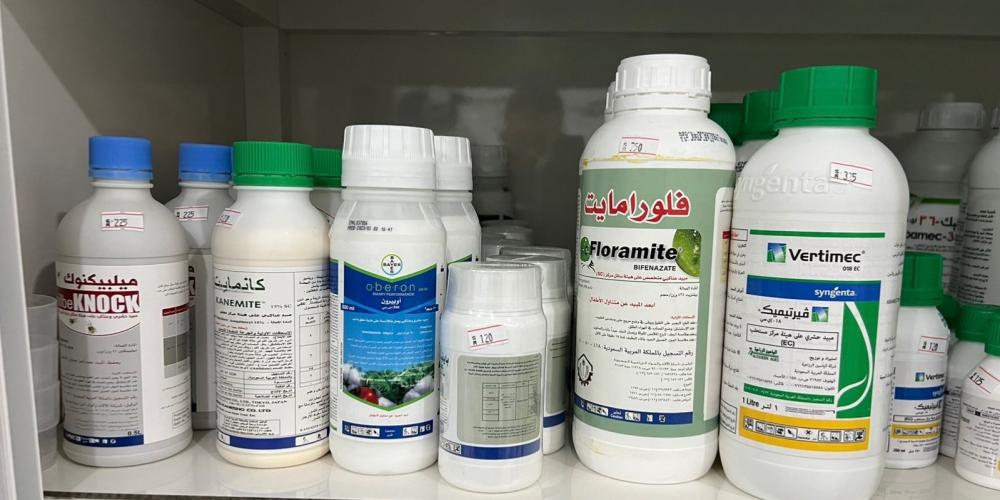
Introduction
Pesticides have become an integral part of modern agriculture and are also commonly used in forestry, landscaping, and even within homes. Their primary purpose is to control pests that threaten agricultural production, public health, and comfort. But what exactly are pesticides, and how do they work? Let's delve into the details.
Definition of Pesticide
A pesticide is any substance or mixture of substances intended for preventing, destroying, repelling, or mitigating any pest. Pests can include insects, mice and other animals, unwanted plants (weeds), fungi, or microorganisms like bacteria and viruses.
Types of Pesticides
Pesticides are categorized based on the type of pests they control:
- Insecticides - target insects
- Herbicides - used to control or destroy weeds
- Fungicides - help manage fungal problems like molds and mildew
- Rodenticides - aimed at controlling rodents
- Bactericides - for bacteria
- Virucides - target viruses
Each category serves a specific role, contributing to the overall health and productivity of agricultural systems or maintaining hygiene and pest-free conditions in domestic environments.
How Pesticides Work
Pesticides work through various mechanisms depending on their design and the target pest. For example, some insecticides disrupt the nervous system of insects, while herbicides may interfere with the growth pathways of weeds. The formulation of pesticides can vary greatly — from sprays and powders to baits and slow-release capsules.
Uses of Pesticides
Pesticides are used in several contexts:
- Agriculture: To protect crops from pests and diseases, thus enhancing yield and quality.
- Disease Control: Certain pesticides deter mosquitoes and other vectors that spread diseases like malaria and dengue fever.
- Home and Garden: Used to manage weeds, control insects, and prevent diseases in plants.
- Public Health: Applications in public spaces to manage pests that could impact health or comfort.
Environmental and Health Impacts
While pesticides play a crucial role in agricultural and public health sectors, their benefits come with risks. Improper use of pesticides can lead to:
- Environmental Pollution: Contamination of soil, water, and air, affecting non-target species including birds, fish, and beneficial insects like bees.
- Health Risks: Exposure to pesticides can cause a range of health issues, from acute effects like skin irritation and nausea to more serious chronic effects like cancer, reproductive harm, and endocrine disruption.
- Resistance: Overuse of pesticides can lead to resistance in pests, making them harder to control over time.
Regulations and Safe Use
Due to their potential adverse effects, the use of pesticides is heavily regulated in many countries. Regulations include the approval of new pesticides, setting limits on residues in food, and guidelines for safe application. It is crucial for users, whether farmers, gardeners, or homeowners, to follow these guidelines to minimize environmental impact and health risks.
Conclusion
Pesticides are powerful tools in managing a wide array of pests. However, their use demands responsibility and adherence to regulatory guidelines to ensure safety for humans and the environment. Balancing the benefits of pesticide use with sustainable practices is key to achieving long-term agricultural productivity and environmental health. As awareness grows and technology advances, alternative methods such as integrated pest management (IPM) and organic farming are becoming increasingly popular, potentially reducing dependency on chemical pesticides.