
Introduction
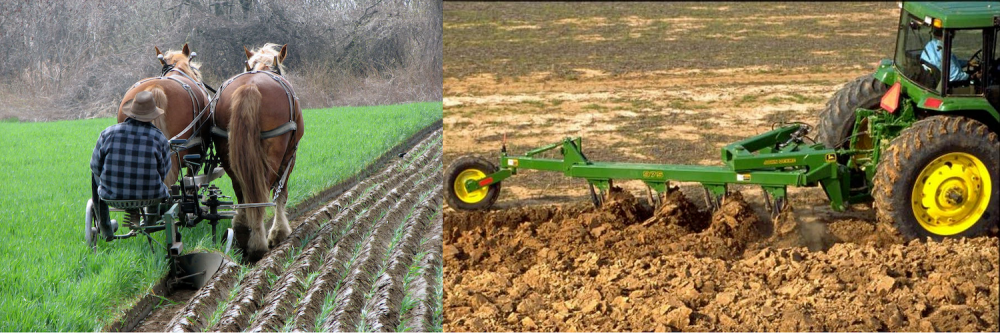
Agriculture has been the backbone of human civilization, providing sustenance and the means for development and growth throughout history. At the heart of agricultural evolution lies a simple yet profoundly influential tool: the plow. This basic agricultural implement has not only stood the test of time but has also significantly shaped modern farming practices. Let's delve into the aspects of the plow, exploring its importance, evolution, and ongoing relevance in agriculture today.
The Historical Significance of the Plow
The plow's origins can be traced back to the Neolithic era, around 3500 BC, when the first farmers began to cultivate the land actively. Initially crafted from wooden branches, these early plows were rudimentary and required significant human or animal effort to operate. Despite their simplicity, they revolutionized agriculture by turning over the upper layer of soil, bringing fresh nutrients to the surface and making it more receptive to new seeds.
As civilizations advanced, so did the plow. By the Iron Age, metal plows emerged, significantly enhancing the efficiency and ease of farming. This innovation allowed for deeper and more consistent soil turnover, leading to increased agricultural output and supporting larger populations.
The Role of the Plow in Modern Agriculture
Today, the plow has evolved into various forms to meet the diverse needs of contemporary agriculture. Modern plows are designed to be attached to tractors, allowing for more extensive and efficient plowing over larger land areas. Here are the primary types of plows used in modern farming:
1. Moldboard Plow
The moldboard is the classic choice, designed to completely invert the soil. This type of plow cuts through and turns over the upper layer of the earth, burying weeds and crop residues, which then decompose as organic matter.
2. Chisel Plow
Used primarily for deep tillage, the chisel plow penetrates the soil to break up hardpan without turning over the top layer. This method helps improve water retention and root growth.
3. Disk Plow
The disk plow contains concave steel discs that turn the soil. It is particularly effective in areas with sticky soils or where vegetation is dense and tough.
4. Rotary Plow
A rotary plow, or rototiller, uses spinning blades to churn the soil. It's excellent for gardeners who need finely broken-up soil and is often used in smaller or specialized plots.
Environmental Impact and the Future
While the plow has been indispensable in agricultural advancement, its impact on the environment is mixed. Traditional plowing methods, especially those that involve turning over the soil, can lead to significant erosion and loss of topsoil. In response, there's a growing trend towards conservation tillage practices, such as no-till farming, which minimizes soil disruption and preserves soil health.
As we look to the future, the role of the plow continues to evolve. Innovations in agricultural technology are leading to smarter, more sustainable farming practices. GPS and sensor technology, for instance, allow for more precise plowing that reduces environmental impact while maximizing crop yields.
Conclusion
The plow remains a symbol of agricultural endurance and innovation. From its humble beginnings as a wooden branch to the high-tech, tractor-mounted implements used today, the plow has been a cornerstone in the development of human civilization. As we continue to face global challenges such as climate change and population growth, the evolution of the plow and its integration with sustainable practices will be crucial in securing the future of farming. The plow is not merely a tool; it is a testament to human ingenuity and a key player in the ongoing story of agriculture.