
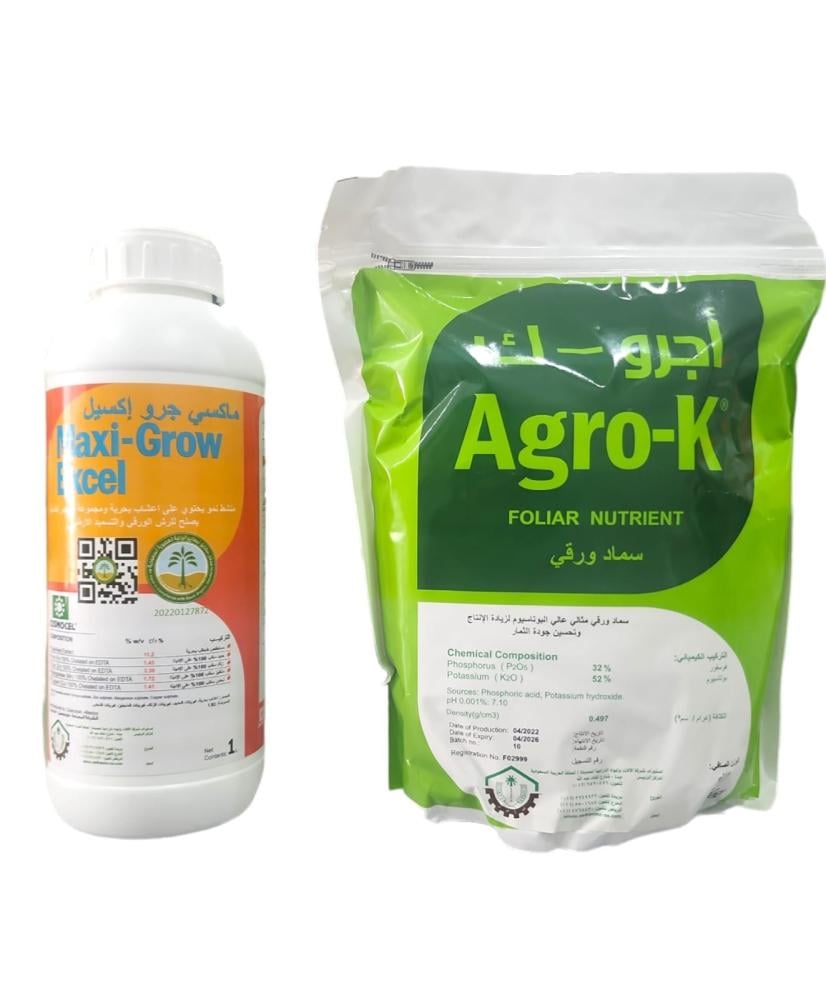
Introduction
Fertilizers play a crucial role in the health and productivity of our gardens and farms. They provide essential nutrients that plants need to grow, thrive, and produce. The choice between organic and non-organic (synthetic) fertilizers can significantly affect not just plant health and yield, but also the environment and soil biology. In this blog post, we'll dive into the key differences between organic and non-organic fertilizers, their benefits, and their drawbacks.
What are Organic Fertilizers?
Organic fertilizers are derived from natural sources such as plants, animals, or minerals. They are processed minimally and contain nutrients in their natural forms. Common examples include manure, compost, bone meal, and seaweed extracts.
Benefits of Organic Fertilizers:
Soil Structure Improvement: Organic fertilizers improve the soil structure by adding organic matter that enhances soil aeration, water retention, and nutrient availability.
- Slow Release Nutrients: They release nutrients slowly, providing a steady supply of nutrients over a longer period, which helps in the sustainable growth of plants.
- Environmental Safety: These fertilizers are renewable, biodegradable, and environmentally friendly, reducing pollution and conserving biodiversity.
Drawbacks:
- Lower Nutrient Content: Organic fertilizers generally have lower nutrient concentrations, which might require larger quantities to meet plant needs.
- Variable Nutrient Ratios: The nutrient ratios are not precise or consistent, making targeted nutrient application difficult.
What are Non-Organic Fertilizers?
Non-organic fertilizers, also known as synthetic or chemical fertilizers, are manufactured through chemical processes and contain high levels of nutrients in specific, controlled ratios. Examples include urea, superphosphate, and potassium sulfate.
Benefits of Non-Organic Fertilizers:
High Nutrient Content: They provide specific nutrients that plants need in concentrated forms, allowing for precise control over feeding.
Immediate Results: Synthetic fertilizers are quickly absorbed by plants, which can lead to faster growth and more immediate results.
Cost-Effectiveness: Per unit of nutrient, non-organic fertilizers are often more cost-effective and less bulky than organic options.
Drawbacks:
Minor Environmental Impact: Overuse can lead to nutrient runoff, which pollutes waterways and disrupts ecosystems.
Chemical Dependence: Frequent use can lead to a dependence on chemical inputs, reducing biodiversity and resilience against pests and diseases.
Choosing the Right Fertilizer
The choice between organic and non-organic fertilizers depends on several factors including the specific needs of your plants, environmental impact considerations, cost, and personal gardening or farming goals. It's important to consider:
- The type of crops you are growing.
- Soil health and existing nutrient levels.
- Long-term agricultural and environmental sustainability goals.
Conclusion
Both organic and non-organic fertilizers have their place in agriculture and gardening, with each offering unique benefits and facing specific challenges. By understanding the differences and effects of each type, gardeners and farmers can make informed decisions that align with their cultivation practices and sustainability values. Remember, the best choice varies depending on individual circumstances and the specific needs of the environment and crop.